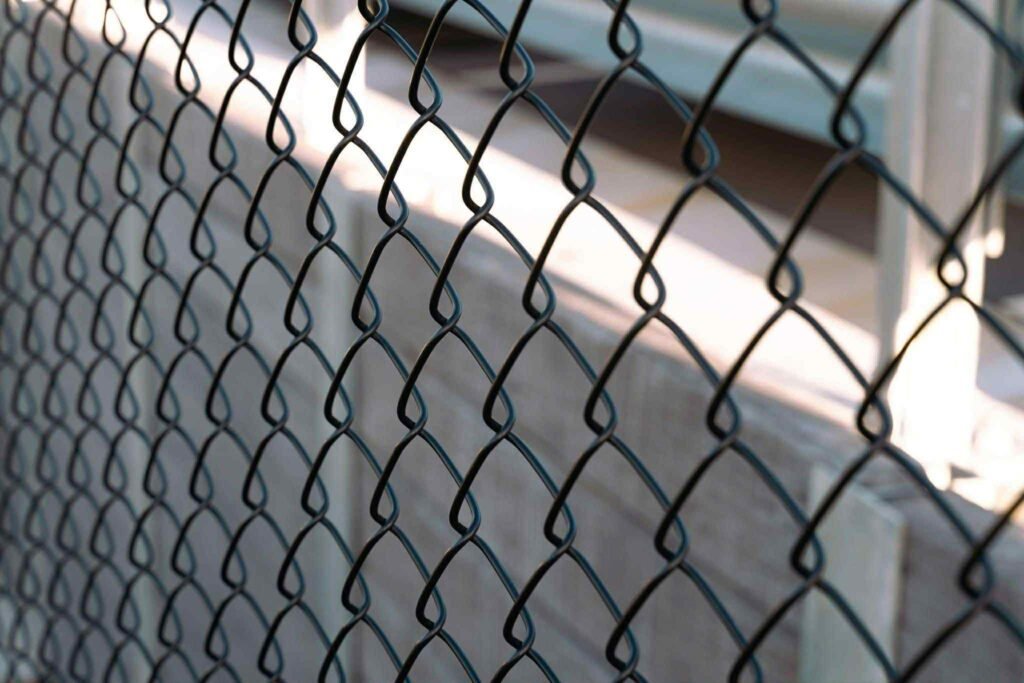
Chain mesh fencing is a familiar sight right across Hobart, from construction sites in the city to farm boundaries in the surrounding suburbs. It is tough, affordable and quick to install, which is why it remains one of the most popular fencing choices for both homes and businesses. If you are weighing up fencing options for your property, it helps to understand what chain mesh fencing offers, where it works best, and how to get a reliable installation in the Hobart area.
What is Chain Mesh Fencing?
Chain mesh fencing is known by several names in Tasmania. You will hear it described as chainwire fencing, chain link fencing, cyclone fencing, diamond fencing or security fencing, but they all refer to the same woven wire construction. The mesh is formed from interlocking steel wire, and for most installations the wire is galvanised with a zinc coating to protect against rust and corrosion in Hobart’s wet climate.
The open diamond pattern is the defining feature of this fence style. It gives the fence strength while allowing light, air and visibility to pass through. That combination of strength and transparency is the reason chain mesh is used everywhere from tennis courts to mining sites, and why it suits both suburban backyards and large industrial perimeters.
For Hobart property owners, one of the biggest attractions is cost. Chain mesh fencing is recognised as one of the lowest cost fencing options available, both to install and to maintain. Unlike timber, it does not need ongoing painting or staining. Unlike Colorbond or aluminium slat panels, the materials are lighter and generally less expensive, which matters when you are fencing a large boundary or a commercial site.
Common Applications for Chain Mesh Fencing in Hobart
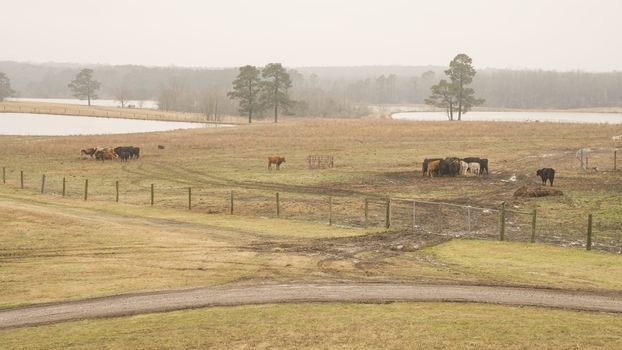
Chain mesh fencing is used primarily in construction sites, farms and production areas. On a construction site, it creates a secure perimeter that keeps the public out and equipment safe. On a farm, it contains livestock and marks property boundaries without blocking wind or visibility. In production areas, it defines zones while allowing supervisors to see activity across the whole site.
The same qualities suit a broad range of facilities. Stadiums and sports grounds use chain mesh to control crowd movement and keep playing areas secure. Tennis courts and sports courts use it to contain balls and define court boundaries. Schools and playgrounds use it to keep children within safe areas while maintaining clear sight lines for supervision. Chainwire fencing is also commonly used in transportation and rail infrastructure, industrial sites, mining operations and manufacturing facilities.
Residential use is just as common in Hobart. Many homes use chain mesh fencing for backyard boundaries, pet runs and property perimeters. Because the mesh does not block light or views, it works well on smaller blocks where a solid fence would make the yard feel enclosed, and it gives pets a secure, visible run without the cost of a panel fence.

Security and Practical Benefits for Every Property
For commercial, industrial and construction properties, heavy-duty chain mesh fencing provides a secure perimeter that helps prevent unauthorised access. The galvanised steel wire is difficult to cut quickly, and the open mesh means there is nowhere for an intruder to hide. Paired with a sturdy gate and quality locks, it forms a practical security barrier without the expense of a solid wall.
Security fencing contractors in Tasmania are expected to install to strict Australian safety standards, so choosing an experienced local installer matters. A fence that is not properly tensioned, or set in shallow posts, can sag, lean or fail at the worst possible time. A professional installation ensures the mesh is stretched evenly and the posts are set deep enough for local soil and weather conditions.
Chain mesh also suits anyone who needs a fence in a hurry. Materials are readily available from local fencing suppliers, installation is straightforward, and a good crew can complete long runs in a matter of days. For businesses, that means less disruption to operations. For homeowners, it means the fence is up before the new puppy learns to dig under the old one.
Gates and Fencing Supplies
A complete chain mesh fence usually needs a gate. Chain mesh gates are available in a range of sizes and finishes, including black powdercoated options that look neater than bare galvanised steel. A common pedestrian gate size is around 1800 by 900 millimetres, which suits standard entry points on residential and commercial properties. Larger gates are available for vehicle access on farms and industrial sites.
Supplies are easy to find in Tasmania. Tas Rural Supplies carries a wide selection of farm fencing products, including posts, wire, and tools, along with electric fencing components and gate openers. Buying from a local supplier means you can match your mesh, posts and fittings to your specific site conditions and get advice from people who understand Tasmanian properties.
For most property owners, though, a professionally installed fence is the better option. The installer supplies all materials, sets the posts correctly and guarantees the finished result. That removes the risk of buying the wrong gauge wire, undersized posts or incompatible fittings.
Choosing a Chain Mesh Fencing Installer in Hobart
The quality of a chain mesh fence is only as good as the installation. Posts need to be set at the right depth and spacing, the mesh needs to be tensioned evenly, and the fixings need to handle wind and ground movement. Local knowledge matters. Soils vary across Greater Hobart, from clay to sandy coastal ground, and each requires a different approach to post setting.
When choosing a chain mesh fencing installer in Hobart, look for a locally owned business with experience across residential and commercial work. A local contractor will also be close by if you need adjustments, repairs or additional fencing later, and they will understand the planning and safety requirements that apply in the area.
JNS Fencing Hobart is that kind of business. It is a locally owned residential and commercial fencing contractor serving Greater Hobart, and it designs and installs a wide range of fences and gates, including chain mesh, Colorbond, timber, glass and aluminium slat fencing. The team is licensed and insured, backs its work with a warranty, and prides itself on fast turnaround. A free quote is available by calling 03 6144 4007, and the team is happy to discuss mesh height, wire thickness and gate options for your property.

Chain Mesh Fencing Prices in Hobart
Because every site is different, there is no single price for chain mesh fencing in Hobart. The total cost depends on the length of the run, the height of the mesh, the thickness of the wire, the number of gate openings and the difficulty of the terrain. Sloping blocks, rocky ground and existing fences that need removal all add to the work involved.
What the research does confirm is that chain mesh is low in cost to install and maintain, particularly when compared with Colorbond, timber, glass or aluminium slat fencing. The wire itself is inexpensive, the posts are lightweight, and installation is fast. Over time, maintenance costs stay low because the galvanised mesh resists corrosion and does not need painting.
The most reliable way to find out what a chain mesh fence will cost on your property is to request a free quote from a local installer. A professional will measure your boundary, discuss the mesh height and wire thickness that suit your needs, and provide a fixed price covering materials and labour. Most Hobart fencing companies offer free quotes or free consultations, so there is no cost to getting an accurate figure for your project.
Frequently Asked Questions
How much does chain mesh fencing cost in Hobart?
Chain mesh fencing is recognised as one of the lowest cost fencing options to install and maintain, but the final price depends on fence length, height, wire thickness and whether gates are included. There is no standard per-metre price that fits every property. The best approach is to request a free quote from a local Hobart installer, who can measure your site and confirm the total cost.
What is chain mesh fencing used for?
Chain mesh fencing, also known as chainwire, cyclone, chain link or diamond fencing, is used primarily on construction sites, farms and production areas. It is also common around stadiums, tennis courts, sports courts, schools and playgrounds. Industrial sites, mining operations, manufacturing facilities and transport rail infrastructure all use chain mesh for secure, visible boundaries, and many Hobart homes use it for backyard and pet fencing.
Is chain mesh fencing good for security?
Yes. A properly installed chain mesh fence creates a secure perimeter that helps prevent unauthorised access. Galvanised steel wire with a zinc coating is tough and difficult to cut quickly, and the open mesh makes it easy to see through, which deters intruders who prefer to work unseen. Security fencing contractors in Tasmania install to strict Australian safety standards, so it pays to use a qualified local installer.
Where can I buy chain mesh fencing supplies in Hobart?
Fencing supplies including posts, wire, tools, gates and gate openers are available from local suppliers such as Tas Rural Supplies, which carries a wide selection of farm fencing products. Many Hobart homeowners and businesses choose to have the fence installed professionally instead. Local fencing contractors supply both materials and labour as part of a single quoted job, with free quotes available from most installers.